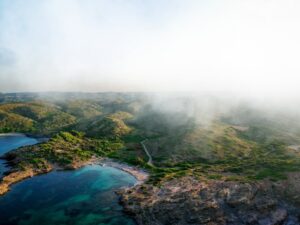
Remote Natural Wonders: Earth’s Untouched Masterpieces
Nature has always had a way of hiding her finest works in plain sight. From mist-shrouded valleys to volcanic islands sculpted by time, some of the planet’s most breathtaking landscapes lie far from the usual tourist routes. These places demand effort to reach, yet reward explorers with unparalleled serenity and visual splendor.
Taking a boat ride to Socotra Island, located in the Arabian Sea, feels like stepping onto a different planet. The island’s unique ecosystem features towering dragon blood trees, bizarre-looking desert roses, and beaches so pristine they seem untouched by human hands. This UNESCO World Heritage Site offers solitude in abundance, making it ideal for those seeking both adventure and introspection.
- Socotra Island: A biodiversity hotspot with endemic flora and fauna that defy conventional categorization.
- Danakil Depression: Located in Ethiopia, this region boasts active volcanoes, geysers, and salt flats that shimmer like mirrors under the sun.
- Lapland’s Northern Lights: Beyond the well-trodden paths of Finnish Lapland, secluded areas like Svalbard in Norway offer clearer skies and fewer visitors during peak aurora season.
These natural wonders are not only visually stunning but also serve as reminders of nature’s resilience and power. Visiting them requires careful preparation—whether it’s packing warm gear for Arctic expeditions or ensuring water supplies for treks across arid deserts—but the experience is deeply rewarding.
Some of the most awe-inspiring sights emerge when we venture into regions few dare to explore. Take, for example, the Faroe Islands—a group of rugged, windswept isles in the North Atlantic. With dramatic cliffs, cascading waterfalls, and grassy plateaus stretching endlessly toward the horizon, the Faroe Islands feel like they’ve been plucked straight from a fantasy novel.
Cultural Treasures: Living Histories Beneath the Radar
Beyond geography, the real magic of hidden gems lies in their cultural richness. Many of these places preserve traditions, crafts, and languages that have survived centuries of change. They are living museums, where every stone, artifact, and story whispers tales of the past.
In Ethiopia’s northern highlands, the ancient city of Lalibela stands as a testament to architectural ingenuity. Carved entirely from rock, the eleven churches of Lalibela were built in the 12th century and continue to draw pilgrims and historians alike. Unlike more commercialized pilgrimage sites, Lalibela retains an air of solemnity and reverence, offering a glimpse into religious practices unchanged since medieval times.
A Tapestry of Timeless Traditions
Local artisans in places like Bhutan or Indonesia’s Toraja Highlands maintain skills passed down through generations. In Bhutan, the practice of weaving intricate textiles using traditional looms continues to thrive, preserving patterns that tell stories of lineage and identity. Similarly, in the Indonesian province of South Sulawesi, the Torajan people honor ancestral spirits through elaborate ceremonies involving buffalo sacrifices and wooden coffins carved with symbolic motifs.
Visitors who take the time to engage with these communities gain more than photographs; they acquire deeper understanding and respect for ways of life shaped by environment, belief systems, and historical events. Supporting local economies by purchasing handmade goods or participating in homestays ensures these traditions endure for future generations.
Even small towns hold secrets waiting to be uncovered. Consider Hallstatt, nestled in Austria’s Salzkammergut region. Once a thriving center for salt mining, this picturesque village now draws visitors with its fairy-tale-like setting along Lake Hallstätter See. Yet, beneath its idyllic façade lies a legacy tied to the very substance that sustained it for millennia—the precious mineral salt.
Gourmet Adventures: Flavors Worth Seeking Out
Food is one of the best indicators of a place’s soul, and nowhere is this truer than in hidden gem destinations. Away from the glitz of Michelin-starred restaurants, local eateries and home kitchens serve dishes steeped in tradition, often using ingredients found only in specific regions.
Oaxaca, Mexico, exemplifies this phenomenon. Known globally for its vibrant markets and street food scene, Oaxaca also hosts indigenous communities that prepare meals rooted in pre-Hispanic techniques. Here, you can savor mole negro—a complex sauce made with chocolate, chilies, and spices—or enjoy tlayudas, which resemble oversized tortillas topped with beans, cheese, and grilled meats.
Travelers eager to immerse themselves fully in regional cuisine would do well to seek out cooking classes offered by native chefs or visit family-run establishments that specialize in heirloom recipes. Not only does this approach deepen appreciation for the culture, but it also supports sustainable tourism models that prioritize authenticity over mass production.
Similarly, in the Scottish Highlands, the concept of “slow food” finds expression through farm-to-table dining experiences. Local producers raise cattle, sheep, and pigs using methods honed over centuries, resulting in meat that carries distinct flavors influenced by soil composition and grazing habits. Pairing this fare with single-malt whiskies produced at nearby distilleries creates a sensory journey unlike any other.
Adventure Destinations: Thrills Off the Beaten Path
For adrenaline junkies craving new challenges, certain hidden gems provide unmatched excitement. These locations may lack the infrastructure of mainstream adventure hubs, but precisely because of that, they retain raw intensity and unpredictability—an essential ingredient for thrilling pursuits.
Patagonia, straddling Argentina and Chile, presents one such opportunity. While Torres del Paine National Park receives many visitors annually, there exist equally captivating trails further south that remain largely undisturbed. Trekking through the Perito Moreno Glacier or navigating narrow passes among Andean peaks offers physical exertion matched only by the scenery encountered along the way.
Underwater exploration holds equal promise for intrepid divers willing to go off-grid. In Palau’s Rock Islands, coral formations teeming with marine life create underwater vistas rivaling anything seen above sea level. However, access to these sites typically requires private charters rather than guided tours, allowing divers greater freedom to explore at their own pace.
Other forms of adventure beckon as well—from paragliding over Namibia’s Skeleton Coast to spelunking deep inside Vietnam’s Son Doong Cave, currently recognized as the largest known cave system on Earth. Each activity demands appropriate training and equipment, underscoring the importance of responsible travel practices even when chasing thrills.
Rarely mentioned in standard travel guides, these locations embody what makes exploration truly meaningful: confronting personal limits against backdrops that challenge perception itself. Whether scaling sheer rock faces or plunging into submerged labyrinths, each encounter becomes part of a larger narrative defined by courage and discovery.
Historic Sites: Echoes of Forgotten Eras
Historical monuments often fall victim to neglect due to their remoteness or political instability. Yet within these neglected ruins lie echoes of civilizations long gone, whispering secrets of glory and decline. Exploring such sites provides insight into humanity’s shared past, revealing connections previously obscured by modern divisions.
Egypt’s Valley of the Whales, for instance, contains fossils dating back nearly forty million years—remnants of ancient whales evolving from land-dwelling mammals. Though not widely publicized outside paleontological circles, this site attracts researchers hoping to unravel mysteries surrounding early aquatic adaptation.
In contrast to well-preserved tombs in Luxor or Giza, these locations require specialized knowledge to appreciate fully. Visitors interested in archaeology must plan accordingly, possibly consulting experts before embarking on field visits. Nonetheless, witnessing firsthand evidence of evolution unfolding over eons represents an extraordinary privilege.
Further east, Turkey’s underground cities offer another window into antiquity. Cappadocia’s subterranean networks, constructed thousands of years ago by Hittites and later expanded by Christians fleeing persecution, showcase remarkable engineering feats accomplished without contemporary tools. Walking through tunnels carved into soft rock gives tangible sense of the resourcefulness required to survive harsh conditions.
Such historic sites remind us that our current reality builds upon layers of previous existence. By visiting places seldom highlighted in general travel literature, we contribute to efforts aimed at preservation and education—not merely consumption.
answer: south african staycation: rising popularity among local travelers!
Unique Accommodations: Staying Where Few Have Stayed Before
Authentic travel extends beyond sightseeing—it includes where one sleeps and eats. Some hidden gems offer accommodations that blend seamlessly with surroundings, providing immersive stays that transform journeys into memorable experiences.
Treehouse resorts scattered throughout Southeast Asia represent one innovative option. From Bali’s Ubud district to Thailand’s Khao Yai National Park, these structures elevate guests literally—and metaphorically—above everyday concerns, immersing them in lush greenery and bird calls at dawn.
Alternatively, eco-lodges situated near national parks or wildlife reserves provide comfortable bases for nature lovers. Kenya’s Lewa Wildlife Conservancy houses lodges designed with sustainability principles in mind, enabling guests to observe rhinos and elephants while minimizing environmental impact.
Not all unconventional stays involve isolation; sometimes proximity enhances experience. In Portugal’s Alentejo region, converted windmills and vineyards host boutique hotels where visitors can sample locally-produced wines alongside artisanal cheeses crafted traditionally.
Whether choosing rustic hideaways or luxurious retreats embedded within nature, selecting accommodation wisely elevates overall satisfaction levels significantly. It transforms mere visits into full-bodied immersion within unfamiliar worlds.
Community-Based Tourism: Connecting Through Shared Experiences
At heart, traveling responsibly means fostering genuine exchanges between cultures. Community-based tourism initiatives facilitate exactly that by linking visitors with locals engaged in daily life. These programs ensure economic benefits flow directly back into communities rather than dissipating through corporate channels.
One notable model exists in Peru’s Sacred Valley, where Quechua families welcome guests into their homes for extended stays. Participants assist with agricultural tasks, learn traditional weaving techniques, and attend local festivals celebrating harvest seasons. Such interactions foster mutual respect and break down stereotypes perpetuated by media portrayals.
Similar approaches flourish elsewhere too. In Madagascar, conservation-focused camps allow travelers to track lemurs while supporting reforestation projects led by indigenous groups. Revenue generated funds both habitat restoration and improved livelihoods for local residents.
By prioritizing direct engagement over superficial observation, community-based tourism reshapes expectations about what constitutes meaningful travel. It emphasizes listening actively rather than taking passively, transforming fleeting encounters into lasting relationships.
Moreover, these partnerships empower marginalized populations by giving them control over narratives usually dictated externally. As result, travelers leave enriched not only personally but also socially conscious regarding global inequalities faced by various peoples today.
Seasonal Opportunities: Timing Your Visit Right
The right timing can make or break an expedition to lesser-known locales. Seasonality affects everything from weather patterns influencing accessibility to availability of specific activities or cultural events happening exclusively during certain months.
For instance, visiting Iceland outside summer months guarantees vastly different experiences depending on whether one arrives during winter’s polar nights or spring thaw periods. Winter brings ethereal displays of northern lights dancing overhead while summer reveals midnight sun phenomena that redefine perceptions of day/night cycles.
Similarly, Japan’s cherry blossom viewing period (“hanami”) occurs annually between late March to mid-April, drawing crowds eager witness petals falling gently upon sake cups placed beneath blooming branches. Those wishing to avoid congestion might consider alternative dates or opt instead for autumn foliage season when maple leaves paint mountainsides fiery hues.
Festival calendars also play crucial role determining optimal travel windows. In India, Diwali celebrations illuminate streets nationwide with colorful decorations marking triumph of good over evil. Conversely, Ramadan observances bring about profound spiritual transformations reflected visibly through altered routines and communal gatherings centered around charity and fasting.
Understanding seasonal nuances allows travelers maximize enjoyment while respecting rhythms established naturally over centuries. Planning ahead accordingly enables smoother transitions between environments and avoids potential disappointments stemming from misaligned schedules.
Conclusion
Hidden gems enrich our lives immeasurably by challenging assumptions and broadening horizons. Their appeal stems not solely from novelty but from depth of meaning derived through mindful exploration grounded in respect for diverse perspectives.
To begin uncovering these treasures yourself, start by looking beyond top ten lists featured prominently online. Instead consult niche blogs written by fellow enthusiasts sharing firsthand accounts from obscure corners globe. Engage with organizations promoting ethical tourism practices whenever possible—your support helps sustain fragile ecosystems and vibrant societies striving balance between progress and heritage preservation.

news is a contributor at TravellerSpy. We are committed to providing well-researched, accurate, and valuable content to our readers.